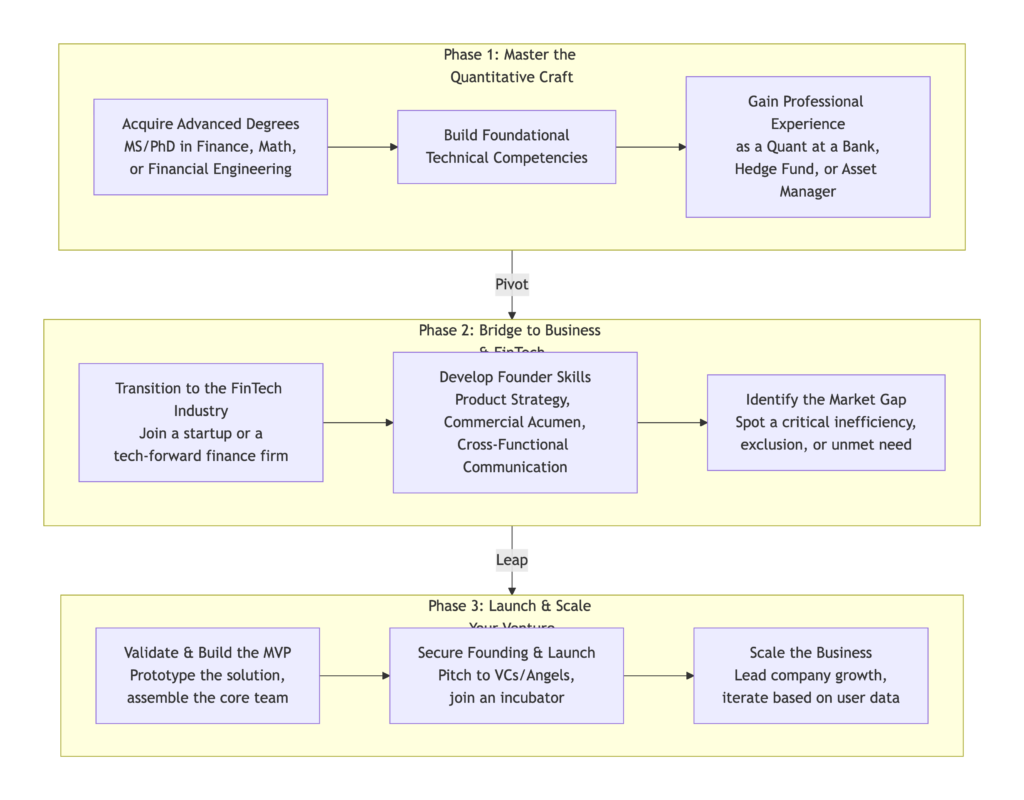
The FinTech landscape in 2026 is defined not by frenzied growth, but by a drive for sustainable scale, deep integration, and regulatory maturity. For professionals, this creates a compelling opportunity: joining companies solving complex, real-world problems with clear paths to profitability. This guide cuts through the noise to highlight the sectors and types of companies poised for success in 2026, focusing on the high-impact areas where your skills will compound fastest.
The 2026 FinTech Landscape: Key Trends for Job Seekers
Understanding the macro trends is key to choosing a resilient company. Hiring in 2026 is strategic and focused on roles that drive measurable impact.
- The AI Evolution: AI has moved beyond hype to become the default layer in fraud prevention, compliance, and customer analytics. The most in-demand talent will be those who can build, manage, and govern these systems.
- Regulation as a Career Catalyst: Increased scrutiny from global regulators has made compliance, risk, and governance roles paramount. Salaries for these specialists now rival those of senior engineers.
- Profitability and Precision: The era of “growth at all costs” is over. Startups are prioritizing unit economics and hiring for roles directly tied to revenue, margin improvement, and operational efficiency.
- Infrastructure Over Apps: Investment is flowing toward B2B solutions and institutional infrastructure (like banking-as-a-service and regtech) rather than saturated consumer apps.
Top Startups & Scale-ups to Watch, By Category
This structured view helps you target companies based on the type of problems you want to solve.
| Category & Focus | Why It’s Hot in 2026 | Examples & What They Do |
|---|---|---|
| B2B Finance & Payments Infrastructure Building the “financial OS” for businesses. | Critical for embedded finance; focuses on complex, high-margin B2B problems with less consumer saturation. | Companies like Stripe and Plaid provide core payment and data infrastructure. Spend management platforms like Ramp and Brex automate corporate finance. |
| Digital Banking & Consumer Finance Profitable, scaled neobanks and challenger banks. | Market leaders are now profitable institutions; they compete on superior UX, AI personalization, and becoming a user’s primary bank. | Global neobanks like Monzo, Revolut, and Nubank, along with US leaders like Chime and SoFi, offer full-service digital banking. |
| Wealth, Trading & Asset Management Democratizing and personalizing investment. | Stable growth sector leveraging AI for portfolio optimization and personalized advice. | Platforms like Robinhood and TradingView for retail investing, and emerging market leaders like India’s Groww in high-growth regions. |
| Blockchain, Crypto & Digital Assets Institutional-grade blockchain infrastructure. | Maturing beyond volatility; focus is on regulated stablecoins, tokenization of real-world assets, and compliant institutional DeFi. | Established giants like Coinbase, stablecoin issuers like Circle, and enterprise blockchain firms like Axoni building regulated infrastructure. |
| RegTech & Risk Automating compliance and security. | Explosive demand due to regulatory complexity. Startups here solve clear pain points with high ROI for financial institutions. | Companies like Alloy for identity verification and Sardine for real-time fraud prevention are automating critical compliance functions. |
Regional Spotlight: High-Growth Markets
- MENA Region: A high-growth market with strong regulatory pushes. Key players include Tabby and Tamara in buy-now-pay-later (BNPL), and Rain in cryptocurrency.
- India: A massive, digitally savvy market. Watch leaders like Razorpay in payments and Groww in investing.
How to Position Yourself for a 2026 FinTech Role
With a clear target in mind, follow these steps to build a competitive profile.
- Develop T-Shaped Expertise: Cultivate deep technical or domain skills (e.g., in machine learning, regulatory policy, or payments systems) combined with a broad understanding of how financial products work. This ability to “translate” between finance and tech is highly prized.
- Align Your Skills with 2026 Priorities:
- Technical Roles: Focus on AI/ML engineering, data engineering, and platform/distributed systems engineering. The bar is high for senior talent who can deliver impact quickly.
- Business & Operations Roles: Product management (with direct P&L responsibility), revenue operations, and strategic finance are critical for driving profitability.
- Compliance & Risk Roles: This is a golden era. Deepen expertise in AML, KYC, and the operational aspects of risk management across specific sectors (e.g., crypto, Banking-as-a-Service).
- Master the “New Normal” of Work: Hybrid work models are the stabilized norm. Demonstrate experience with productive remote collaboration, especially for roles in engineering, data, and product.
- Evaluate Like an Investor: When researching a startup, look beyond the product. Ask about:
- Path to Profitability: How does the company model unit economics?
- Regulatory Posture: How mature is the compliance function?
- Funding & Runway: Is the company well-capitalized with investors who understand long-term builds?
The most promising FinTech careers in 2026 lie at the intersection of innovation, regulation, and sustainable business models. By targeting companies that solve fundamental infrastructure problems and arming yourself with the skills that address today’s priorities, you can build an impactful and resilient career at the forefront of finance’s digital transformation.